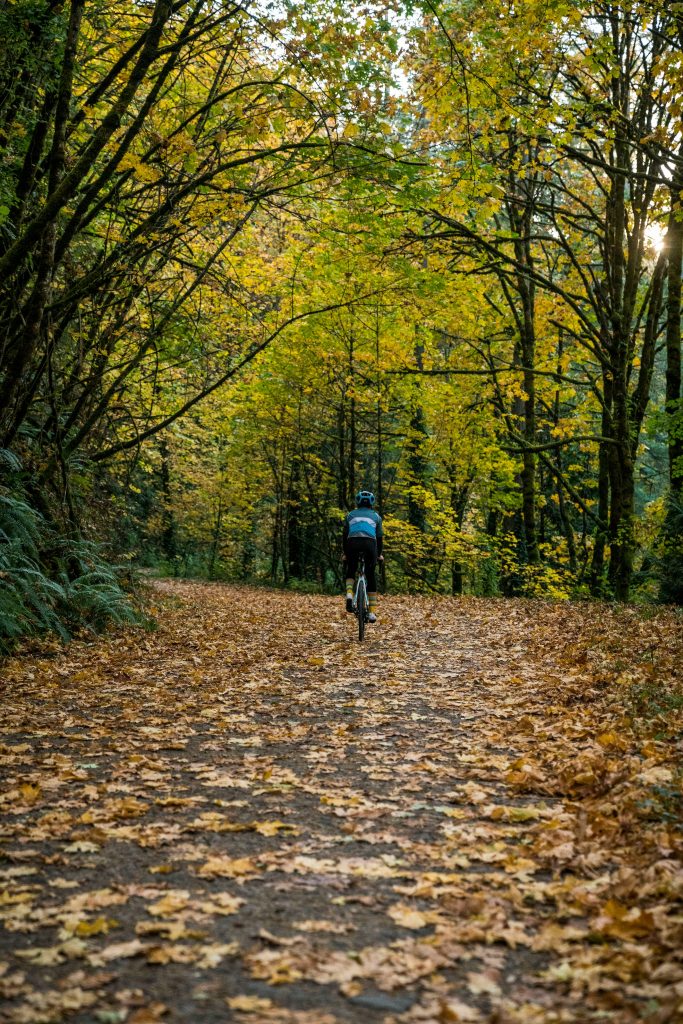
Training Outdoors in Autumn: How to Maintain Your Rhythm as Days Get Shorter

Autumn brings cooler temperatures and great conditions for endurance training — but also fewer daylight hours, unpredictable weather, and changes in routine.
To keep consistency without overtraining, it’s important to adjust how you train, not just what you train.
Here’s a practical, structured guide for runners, cyclists, open-water swimmers and triathletes.
1) Adjust Your Schedule to Daylight Hours ☀️🌙
With earlier sunsets, evening training often means low visibility.
- Best windows: morning or lunchtime sessions
- Open-water swimming: only in full daylight
- Long sessions: weekends are more stable
If training before sunrise or after sunset:
- Use front and rear lights
- Wear reflective gear
- Choose routes with good lighting and predictable traffic
2) Dress in Layers — Without Overheating 🧥
Autumn is about temperature swings, not constant cold.
Layer system:
- Base layer → breathable, sweat-wicking
- Mid layer → light windbreaker
- Avoid cotton (holds moisture)
- For cycling → removable sleeves are your best friend
- For open water → wetsuit recommended below ~18°C
You should feel slightly cool during the first minutes — that’s ideal.
3) Prioritize Safe Terrain 🛣️🌲
Wet leaves, mud and early rain increase slipping risk.
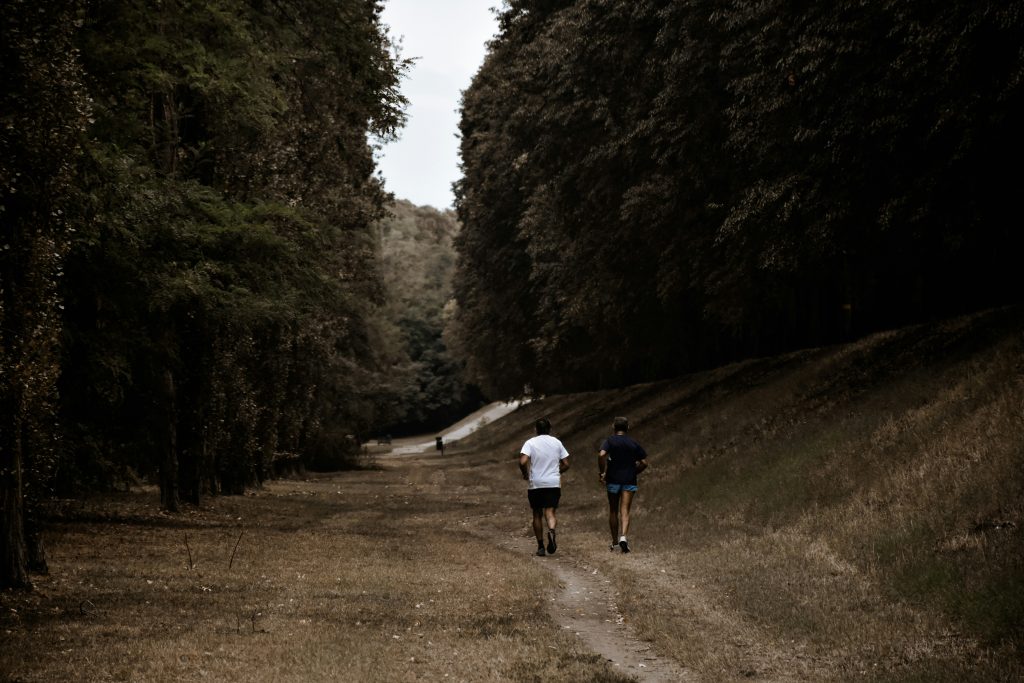
- Running: paths, parks, road shoulders, clean trails
- Cycling: wide roads, steady gradients, clear surface
- Trail: avoid steep technical descents after rain
- Open water: marked or supervised zones, never swim alone
If the footing feels questionable → change route.
4) Keep Consistency — Reduce Volume, Not Frequency 🗓️
When motivation dips, consistency beats intensity.
If needed:
- Keep the same number of sessions
- Shorten the duration (e.g., 60 → 40 min)
- Focus on showing up, not on performance metrics
Fitness is maintained through continuity, not exhaustion.
5) Hydrate Even When It’s Cold 🥤
Cooler weather reduces the feeling of thirst, but your body still loses fluids.
- Carry fluids for sessions > 45 minutes
- Include electrolytes
- Post-training: warm liquids and balanced meals work well
Simple rule: clear urine = hydration on track.
6) Set a Clear Short-Term Goal 🎯
With less light and fewer races, motivation needs structure.
Options:
- A local race in November or December
- Weekly routine goal (e.g., 4 runs/week)
- A route you repeat to track effort feeling, not pace
A small goal is still a goal — and it keeps you moving.
7) When Energy Is Low, Simplify 💛
Autumn training isn’t about peak performance — it’s about staying in motion.
If the day feels heavy:
- Run for 20 minutes only
- Swap to cycling indoor, mobility or stretching
- Keep the habit alive
The priority is to not break the rhythm.
Quick Summary
| Challenge | Solution |
|---|---|
| Less daylight | Train earlier + reflective gear + lights |
| Temperature swings | Layering |
| Slippery terrain | Safer, predictable routes |
| Low motivation | Reduce volume, maintain frequency |
👉 Need a goal to stay motivated?
Find upcoming races across Portugal here.