Training in Bad Weather: How to Stay Consistent Through Winter and Rain

Rain, wind, and cold mornings are part of every athlete’s journey. In Portugal, winter training often means wet roads, muddy trails, and unpredictable weather. While it can be tempting to skip sessions when conditions are tough, consistent training during bad weather can actually make you a stronger and more resilient athlete.
If you are preparing for running, trail, cycling, or triathlon events, learning how to train through difficult conditions is essential. Here is how to stay consistent, motivated, and safe when the weather is not on your side.
Adjust your mindset first
Training in bad weather starts with the right mindset. Instead of seeing rain or cold as obstacles, view them as part of the process. Many race days come with less-than-perfect conditions. Athletes who train through winter often feel more prepared and confident when facing challenging race environments.
Consistency matters more than perfect conditions. Even a shorter or adapted session is better than skipping training completely.
Dress smart for the conditions
The right gear can transform a difficult session into a manageable one. When training outdoors in bad weather, focus on staying warm, visible, and comfortable.
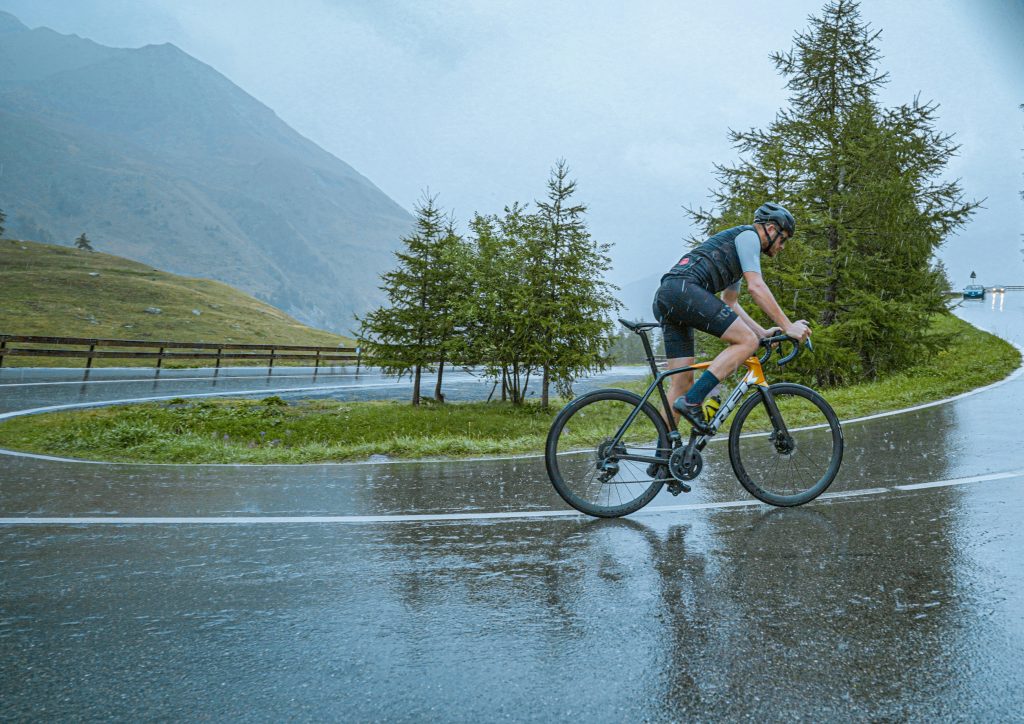
Wear technical layers that manage moisture and keep your body temperature stable. A lightweight waterproof jacket, gloves, and a cap can make a big difference on rainy or windy days. Reflective elements are essential if you train early in the morning or after sunset.
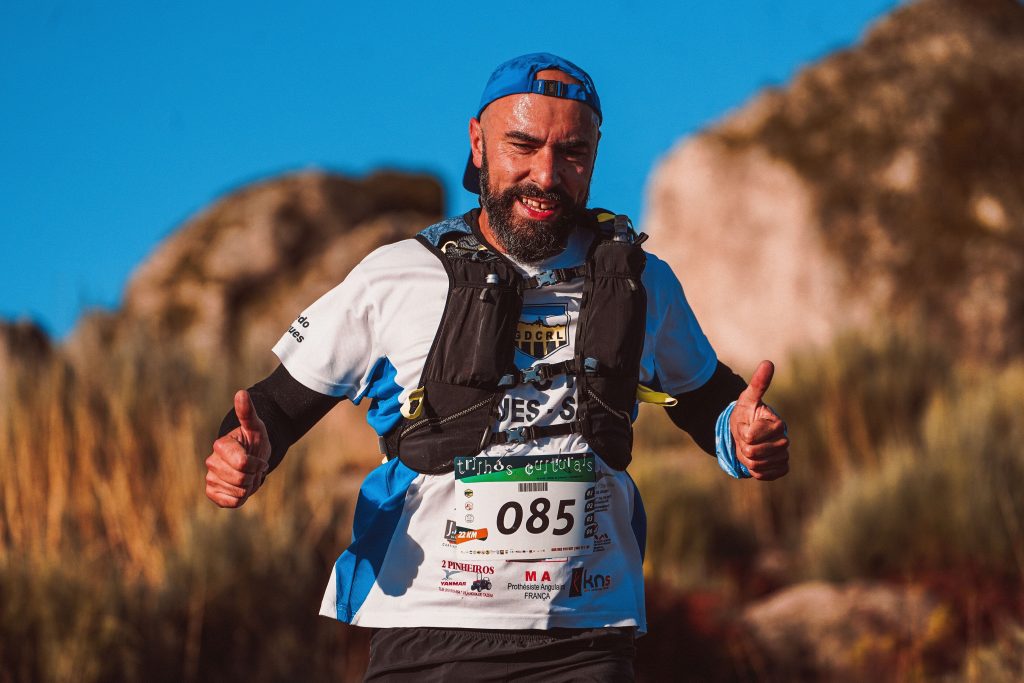
For trail runners, shoes with good grip help prevent slips on muddy terrain. Cyclists should ensure proper lighting and protective layers against wind and rain.
Adapt your training sessions
Not every session needs to happen exactly as planned. When conditions are extreme, adapting your workout is the smartest choice.
Replace long outdoor sessions with shorter runs or rides. Focus on technique drills, strength training, or mobility work indoors. Use treadmills, indoor bikes, or strength sessions to maintain consistency without unnecessary risk.
Bad weather can also be an opportunity to work on strength and stability. Core training, mobility exercises, and resistance work improve performance across all endurance sports.
Safety always comes first
Training through bad weather does not mean ignoring safety. Avoid flooded areas, exposed trails during storms, or roads with low visibility. If conditions are severe, it is better to move the session indoors or postpone it.
Tell someone your route when training alone and keep your phone protected from rain. Visibility and awareness are key when training in winter conditions.
Use bad weather as an advantage
Athletes who continue training through winter often build stronger mental resilience. Running or cycling in rain and wind develops focus, discipline, and adaptability. These qualities make a significant difference on race day.
When race conditions are tough, athletes who trained through similar environments feel more prepared and less affected by discomfort.
Stay motivated through the season
Motivation can drop during colder months, so finding ways to stay engaged is important. Setting short-term goals, joining group sessions when possible, or planning upcoming races helps maintain consistency.
RaceFinder make it easier to discover events throughout the year. Having a goal race on the calendar can be the extra push needed to train even when the weather is not ideal.
Bad weather is part of the journey for every endurance athlete. Learning how to train through it safely and consistently will make you stronger, more adaptable, and ready for any start line.