The Future of Endurance Sports: 5 Trends Shaping Running, Trail and Triathlon in 2026

Endurance sports have never been more popular. Around the world, more people are discovering the challenge and satisfaction of long-distance sports such as running, trail running, cycling and triathlon.
From major city marathons to small local trail races, participation continues to grow year after year. At the same time, technology, training methods and the structure of events themselves are evolving rapidly.
In 2026, endurance sports are entering a new phase. Athletes are training smarter, communities are growing stronger and races are becoming more accessible than ever.
If you are part of the endurance community or thinking about entering your first race, here are the five biggest trends shaping the future of endurance sports.
1. Participation in endurance events keeps growing
One of the clearest trends in endurance sports is the continued growth in participation.
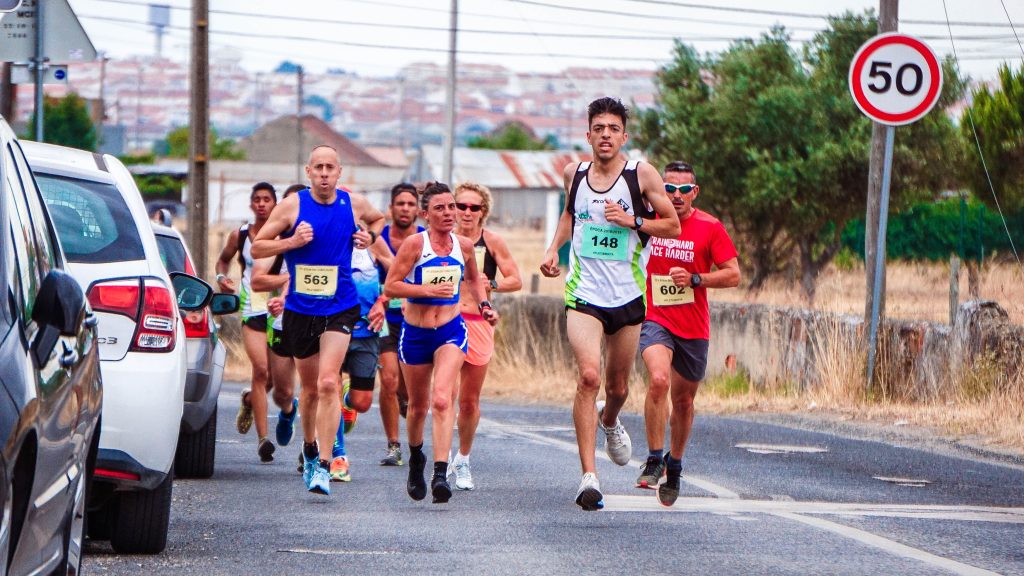
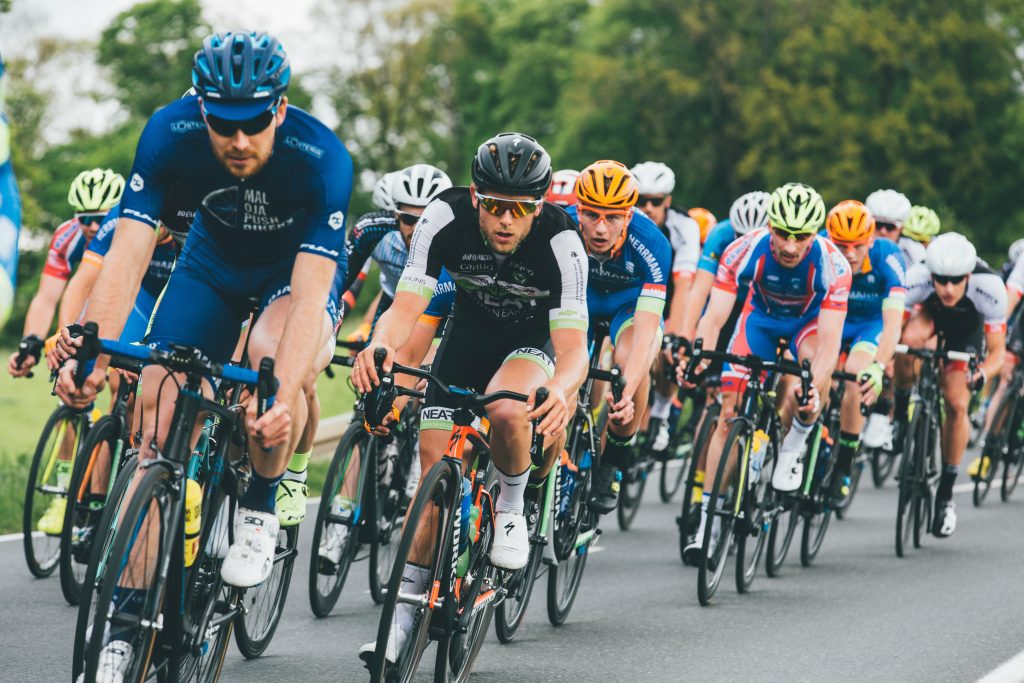
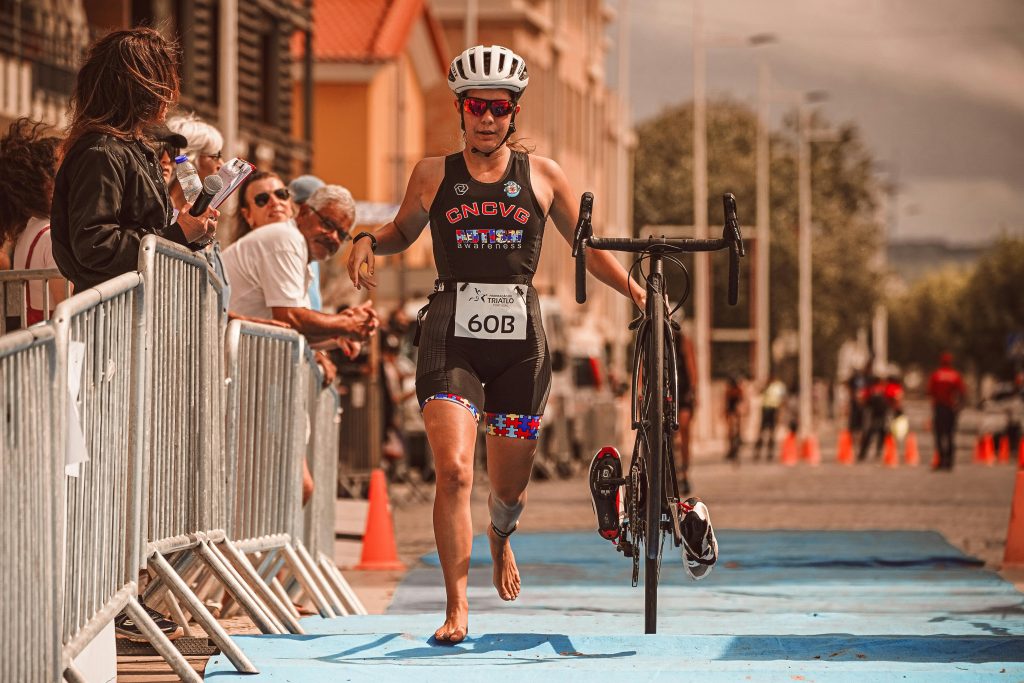
Road races, trail runs, triathlons and cycling events are attracting record numbers of athletes. Major races around the world regularly sell out months in advance.
Events like the Lisbon Half Marathon, for example, attract tens of thousands of runners every year, with athletes travelling internationally to participate.
But this growth is not limited to large races. Smaller regional events are also seeing increasing interest as more athletes look for:
- local running events
- trail races close to nature
- beginner-friendly triathlon events
- community races and charity runs
This growth has created a new challenge for athletes: finding the right race.
With hundreds of races happening every year, platforms like RaceFinder help runners easily discover upcoming events and plan their racing calendar.
2. Technology is transforming endurance training
Technology has become an essential part of endurance training.
Today’s athletes rely heavily on data and analytics to optimise performance, monitor recovery and avoid injury.
Some of the most widely used tools include:
- GPS running watches
- heart rate monitoring
- training load metrics
- sleep and recovery tracking
- digital training platforms
For amateur athletes, these tools make it easier than ever to train with structure and purpose.
Instead of simply increasing mileage, runners and triathletes are focusing on training smarter, balancing intensity, recovery and long-term consistency.
Technology has also improved race preparation. Athletes now plan their season in advance, selecting races strategically based on training cycles and personal goals.
3. The rise of super shoes and high-performance gear
Equipment innovation continues to shape endurance sports.
Running shoes have seen dramatic improvements in recent years thanks to new materials and design concepts. Carbon-plated shoes and high-energy foam midsoles have helped athletes improve efficiency and performance.
Many professional runners now rely on these technologies, and they are increasingly available to amateur athletes as well.
At the same time, brands are investing heavily in:
- lightweight performance fabrics
- advanced hydration systems for trail running
- aerodynamic cycling gear
- smart wearable technology
This constant innovation means endurance athletes today have access to equipment that was unimaginable just a decade ago.
4. Hybrid fitness events are expanding the endurance landscape
Another growing trend in endurance sports is the rise of hybrid fitness competitions.
Events like Hyrox, obstacle course races and functional fitness competitions combine endurance with strength and conditioning challenges.
These formats attract athletes from different backgrounds, including runners, CrossFit athletes and general fitness enthusiasts.
Hybrid events are popular because they offer:
- shorter race formats
- spectator-friendly competitions
- varied physical challenges
While traditional endurance events like marathons and triathlons remain extremely popular, these hybrid formats are introducing new audiences to endurance sports.
5. Running communities are stronger than ever
Perhaps the most important trend in endurance sports is the growth of community.
Running clubs, local training groups and online communities have become central to the experience of many athletes.
For beginners, joining a running community provides:
- motivation
- accountability
- social support
- access to shared knowledge
For experienced athletes, these communities offer training partners, competition and new race opportunities.
Cities around the world have seen a surge in running clubs organising weekly runs, social workouts and race meetups.
This sense of community is helping endurance sports become more inclusive and accessible than ever before.
How to find your next endurance race
With the number of endurance events growing every year, finding the right race can sometimes feel overwhelming.
Whether you are looking for:
- a road running race
- a trail running event
- a triathlon competition
- a cycling challenge
having a central place to explore events makes the process much easier.
RaceFinder was created to help athletes discover endurance events across Portugal, compare races and plan their season.
Instead of searching multiple websites, athletes can explore different races, distances and locations all in one place.
Start planning your next race
Endurance sports continue to evolve, but one thing remains the same: the joy of challenging yourself and crossing the finish line.
Whether you are preparing for your first 10K, your next marathon or a triathlon, there are countless events waiting to be discovered.
Explore upcoming races and find your next challenge on RaceFinder.