Why More Athletes Are Choosing Hybrid Events

For years, endurance sports were usually divided into separate worlds.
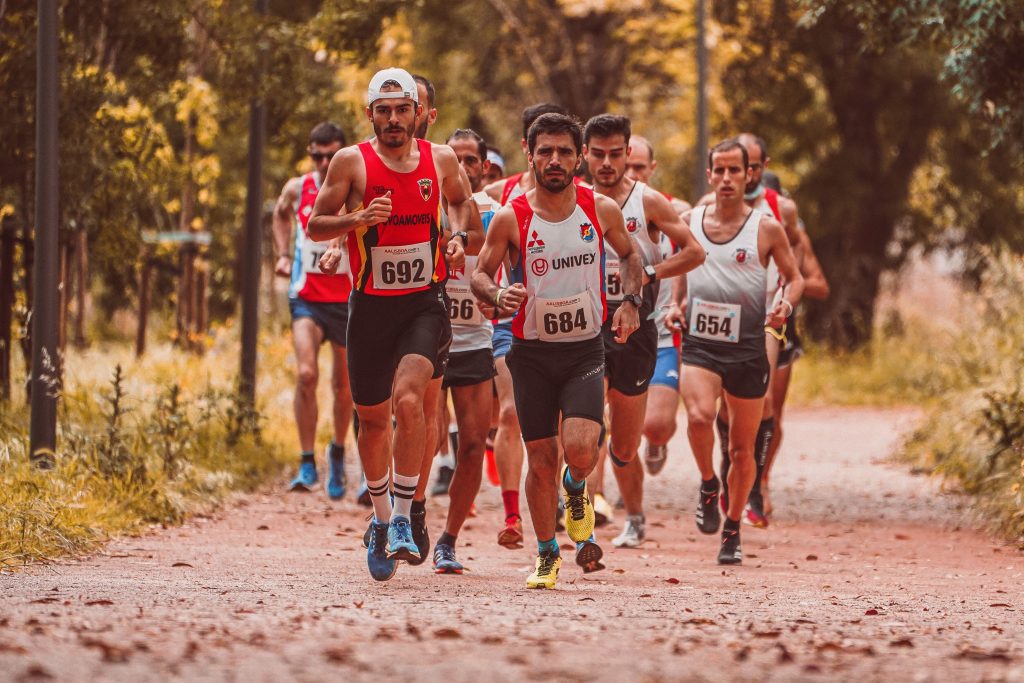
Runners stayed in running. Cyclists stayed in cycling. Triathletes stayed in triathlon.
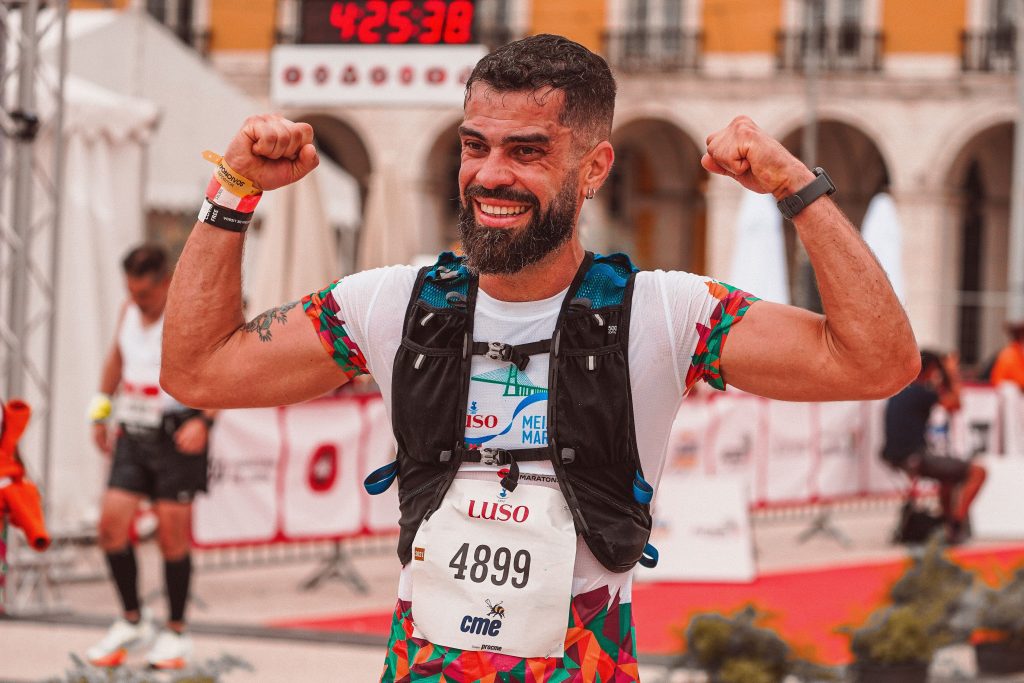
But recently, a new type of event has been growing fast across Europe and increasingly in Portugal as well: hybrid races.
These events combine multiple disciplines, functional fitness, obstacles, strength elements, or unconventional race formats into a single experience — attracting athletes who are looking for something different from the traditional race calendar.
What Are Hybrid Events?
The definition can vary depending on the event, but hybrid races usually combine endurance with functional or strength-based challenges.
Some formats include:
- running + workout stations,
- trail running + obstacles,
- swimming + trail sections,
- fitness circuits integrated into races,
- or multi-stage endurance formats.
Unlike traditional races where pacing is often the main focus, hybrid events test adaptability, fatigue management, strength, and mental resilience.
Why They Are Growing So Fast
One of the biggest reasons behind the growth of hybrid racing is simple: variety.
Many athletes today train across multiple disciplines:
- running,
- gym training,
- cycling,
- mobility,
- swimming,
- strength work.
Hybrid races reflect the way people already train.
Instead of specialising in only one movement or sport, athletes increasingly want experiences that feel more dynamic and complete.
The Community Factor
Hybrid events also tend to create a very strong community atmosphere.
Because the format is often less rigid than traditional races, the environment usually feels:
- more social,
- more supportive,
- and less intimidating for beginners.
Many participants approach these races more as a challenge or shared experience than purely as competition.
That has helped bring new people into endurance sports who may never have signed up for a marathon or triathlon.
Portugal Is Becoming Part of This Trend
Portugal has already started to see the growth of this segment.
Events like:
show that there is increasing demand for experiences outside the traditional race structure.
And because Portugal already has strong running, trail, cycling, and fitness communities, hybrid racing feels like a natural evolution.
Hybrid Racing Appeals to a New Generation of Athletes
Another important factor is that many younger athletes are less interested in specialising early.
They prefer:
- varied training,
- social environments,
- travel experiences,
- and events that combine performance with entertainment and community.
Hybrid races fit perfectly into that mindset.
For many people, the goal is no longer simply to “run a fast time” — it is to have a memorable challenge and experience.
Finding Hybrid Events in Portugal
As this category continues to grow, discovering these events is becoming easier through platforms like RaceFinder.
Alongside running, trail, cycling, triathlon, and swimming events, RaceFinder also helps athletes discover hybrid races and new endurance formats happening across Portugal.
Because the future of endurance sports is becoming increasingly multidimensional.