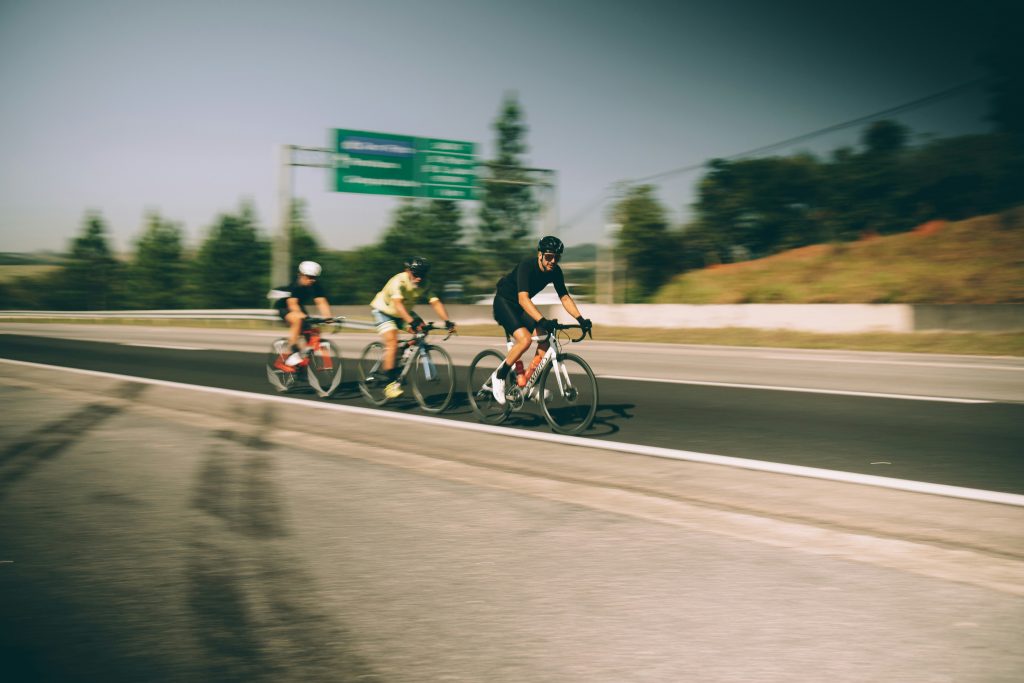
Training with Power vs. Training by Feel: What Works Best for Amateur Cyclists?

Picture this: two cyclists ride side by side. One is glued to the screen of their power meter, calculating watts and training zones with precision. The other is smiling, feeling the wind, and pushing harder simply because “today the legs feel good.” Which one is training better?
This is a common question for amateur cyclists: should you train based on power (watts) or rely on feel? The answer isn’t as simple as it seems, but let’s break down the pros and cons of each method — and why you might not have to choose just one.
Power-Based Training: Science at Your Pedals
Training with a power meter means measuring exactly how much force you’re applying to the pedals. From this, you can calculate your FTP (Functional Threshold Power) and define precise training zones.
Pros:
- Objective, measurable data: you know exactly the workload you’re doing.
- Structured training: ideal for preparing for road races, time trials, or Granfondos.
- Track progress: easily monitor improvements over time.
Cons:
- Expensive: power meters are still a big investment.
- Learning curve: interpreting metrics like NP, IF, or TSS takes time.
- Tech dependence: many riders feel “lost” without their numbers.
Training by Feel: Listening to Your Body
Also called RPE (Rate of Perceived Exertion), this method relies on your perceived effort. It’s the oldest way of training — and still widely used by elite athletes as a complement.
Pros:
- Free and accessible: no gadgets needed.
- Stronger body awareness: learn to recognize fatigue, strength, and recovery cues.
- Useful for long rides and races, where mental and physical resilience matter most.
Cons:
- Subjective: what feels “easy” one day may feel “hard” the next.
- Harder to track progress with accuracy.
- Risk of overdoing intensity or undertraining without realizing it.
The Best Approach: Balance Watts and Feeling
The truth is, there’s no one-size-fits-all answer. The best approach depends on your level, goals, and resources. But for most amateur cyclists, a hybrid approach works best.
- Use power to structure interval workouts, monitor load, and track progress.
- Use feel for long rides, recovery sessions, and races where conditions can change unexpectedly.
- No power meter? A heart rate monitor can be a good middle ground between science and perception.
Quick Practical Guide
- Road racers: structured intervals with power during the week + long weekend rides guided by feel.
- Gran Fondo riders: use watts to pace climbs, but allow flexibility to enjoy the ride.
- Triathletes: power is key for pacing on the bike, but tuning into body signals is crucial for the run afterward.
At the end of the day, whether you’re chasing watts on a screen or trusting your legs on the road, what really matters is consistent training. Power and perception aren’t rivals — they’re allies.
👉 Ready to put your training to the test? Explore upcoming cycling events in Portugal on RaceFinder.pt.