The Rise of Obstacle & Hybrid Races: Why More Athletes Are Joining These Challenges

Obstacle races and hybrid events are becoming some of the fastest-growing trends in the endurance world. From rope climbs to trail sprints, functional fitness stations and unpredictable terrain, these races offer something road running and gym training can’t deliver: variety, adrenaline and a true test of all-round athleticism.
If you’ve been curious about trying one — or you’re looking for a new challenge in 2026 — here’s everything you need to know.
1. What Are Obstacle and Hybrid Races?
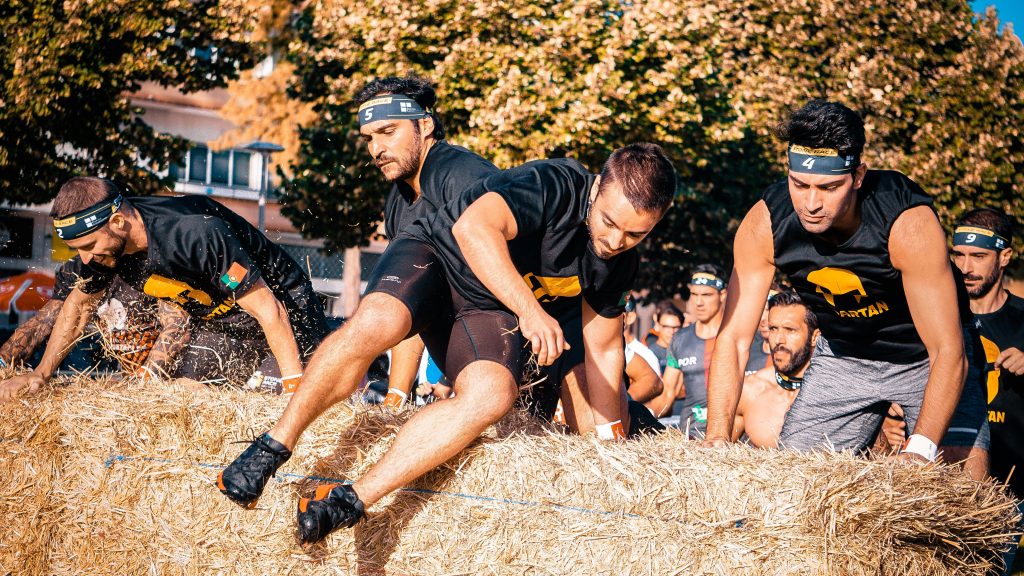
Obstacle races (OCR)
Events where athletes run through a course that includes physical challenges such as:
- Wall climbs
- Rope ascents
- Mud pits
- Carry obstacles
- Monkey bars
- Balance elements
They combine trail running with strength, coordination and mental grit.
Hybrid races
A mix of running and functional fitness stations — think movements like:
- Sled push/pull
- Burpees
- Lunges
- Rowing or ski erg
- Heavy carries
These races are designed to test speed, strength and endurance in equal parts.
2. Why Are These Races Becoming So Popular?
They break the routine
Runners who feel stuck in the same weekly sessions find these events refreshing and motivating.
Full-body challenge
You don’t just test your legs — you test your grip, core, power and resilience.
Strong community vibe
These events attract supportive, energetic groups that celebrate every finish line, not just the fastest times.
Perfect for beginners and experienced athletes
Many events offer different levels or open divisions, making them accessible to all.
3. Who Are These Races For?
- Runners wanting to become stronger and more resilient
- Gym athletes looking for an outdoor test of fitness
- CrossFit or functional training fans who love high-intensity challenges
- Anyone bored of the same weekly routine
- People who love teamwork and adrenaline
If you’ve ever enjoyed a tough workout and thought “I wish this was a race”, hybrid competitions might be exactly what you’re looking for.
4. How to Start Training for an Obstacle or Hybrid Race
a) Develop basic running endurance
Even short OCR races include several kilometres of running.
b) Add functional strength work
Focus on:
- Grip strength
- Core stability
- Upper-body pulling
- Loaded carries
c) Practise movement variety
Burpees, box step-ups, lunges, rowing and sled work are common in hybrid events.
d) Train outdoors when possible
Natural terrain helps prepare you for uneven ground and unexpected conditions.
e) Include mobility and injury prevention
OCR involves jumping, pulling, climbing — mobility keeps you moving efficiently.
5. Choosing Your First OCR or Hybrid Race
Look for events with:
- Beginner-friendly distances
- Clear obstacle/station descriptions
- Supportive rules (e.g., optional obstacles or penalty systems)
- A strong community atmosphere
👉 You’ll find several OCR and hybrid events with registrations open right now on RaceFinder.
6. The Secret to Committing: Sign Up for a Race
If you’re waiting to feel “ready”, you may never start.
Most athletes improve after registering because a race creates focus, momentum and excitement.
And yes — the 2026 obstacle & hybrid calendar is already growing fast on RaceFinder.
Obstacle and hybrid races are the perfect blend of running, fitness and adventure.
Whether you want to challenge yourself, break the routine or simply try something new, these events deliver a unique experience that pushes both body and mind.
Ready to find your next challenge?
👉 Explore upcoming OCR & hybrid races at RaceFinder