Common Mistakes Cyclists Make — and How to Avoid Them

Paula Veloso
by Paula Veloso
9 months ago

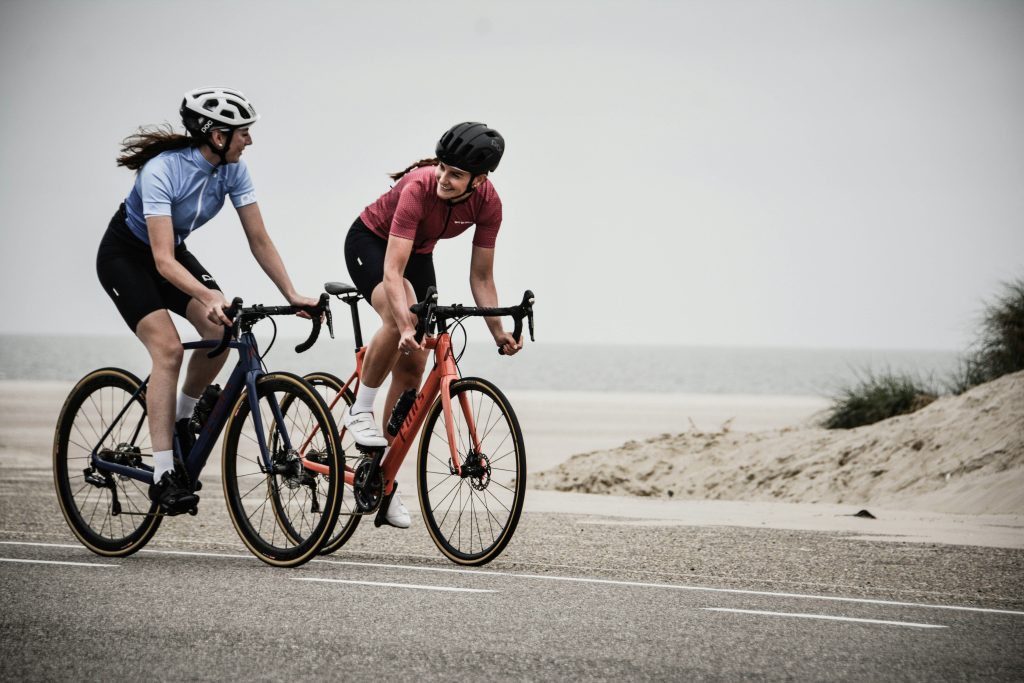
Road cycling is one of the most rewarding sports out there — the freedom, the speed, the challenge, the views.
But even experienced cyclists fall into habits that can slow progress, increase fatigue, or make rides less safe.

Here are five common mistakes, why they matter, and how to avoid them so you can ride stronger, safer and with more confidence this season.

1) Riding with the wrong tyre pressure

Too soft = slow, unstable and higher puncture risk.
Too hard = harsh ride, poor grip, more fatigue.

How to fix it:

  • Check the PSI recommended on your tyre sidewall.
  • Adjust based on weather (rain = slightly lower PSI).
  • Re-check before every ride — tyre pressure naturally drops during the week.

2) Overtraining — ignoring recovery days

Cyclists love volume… sometimes too much.
Fatigue builds quietly and can turn into injury, loss of power or burnout.

How to fix it:

  • Add at least 1–2 low-intensity days per week.
  • Make room for sleep, fueling and flexibility/mobility.
  • Use long weekend rides for endurance — not intensity.

3) Poor bike fit and postur

Hands numb? Back tight? Saddle discomfort?
Most of the time, it’s not the bike — it’s the fit.

How to fix it:

  • Adjust saddle height and fore/aft position.
  • Relax shoulders and keep elbows slightly bent.
  • Consider a professional bike fit if you ride often.

4) Braking incorrectly on descents

Grabbing both brakes hard = skidding and loss of control.

How to fix it:

  • Look ahead, not down.
  • Use the front brake for strength, the rear for stability.
  • Feather the brakes before corners — not during the turn.

5) Not fueling enough (especially in colder weather)

Cold rides trick you into thinking you’re not thirsty or hungry — but your body burns more energy to stay warm.

How to fix it:

  • Start fueling after 45–60 minutes, then every 30 minutes.
  • Carry electrolytes even on cool days.
  • Eat a balanced meal soon after finishing.

💛 Ride smarter, ride safer

Small adjustments make a huge difference — more comfort, more speed, more confidence.

Ready for your next challenge?
Find upcoming road cycling events at 👉 racefinder.pt
More from the blog

Musings on swimming, running and riding for everyday athletes.

What Should You Eat Before a Race? A Guide for 5K, 10K, Half Marathon and Marathon
4 Aug 2026

What Should You Eat Before a Race? A Guide for 5K, 10K, Half Marathon and Marathon

Your breakfast or pre-race meal may seem like just another detail, but the wrong choice can lead to low energy, stomach discomfort or an urgent trip to the toilet shortly before the start. One question is especially common among runners: what should you eat before a race? The answer depends on the distance, the start […]

Read More
What Type of Runner Are You? 8 Profiles and 8 Races to Find Your Next Challenge
3 Aug 2026

What Type of Runner Are You? 8 Profiles and 8 Races to Find Your Next Challenge

We do not all choose a race for the same reasons. Some people immediately check the course profile and elevation. Others decide based on the medal, the atmosphere or the chance to turn the race into a different kind of weekend. And then there are those who see an unusual distance and instantly think, “I […]

Read More
How Long Does It Take to Train for a Half Marathon? 8, 10 and 12-Week Options
28 Jul 2026

How Long Does It Take to Train for a Half Marathon? 8, 10 and 12-Week Options

The half marathon is one of the most popular goals among runners. At 21.1 km, it is demanding enough to require proper preparation while remaining accessible to runners who build a consistent routine. One question comes up more than any other: how long does it take to train for a half marathon? For most runners […]

Read More
From Road Running to Trail Running: 7 Mistakes to Avoid in Your First Race
27 Jul 2026

From Road Running to Trail Running: 7 Mistakes to Avoid in Your First Race

Moving from the road to the trails can completely change the way you experience running. Instead of trying to maintain a steady pace, you need to adapt your effort to climbs, descents, rocks, roots, mud and constantly changing terrain. Trail running takes place mainly on natural surfaces, such as dirt paths, forest trails and single […]

Read More