Cold Water: How to Adapt Your Body for Open Water Training

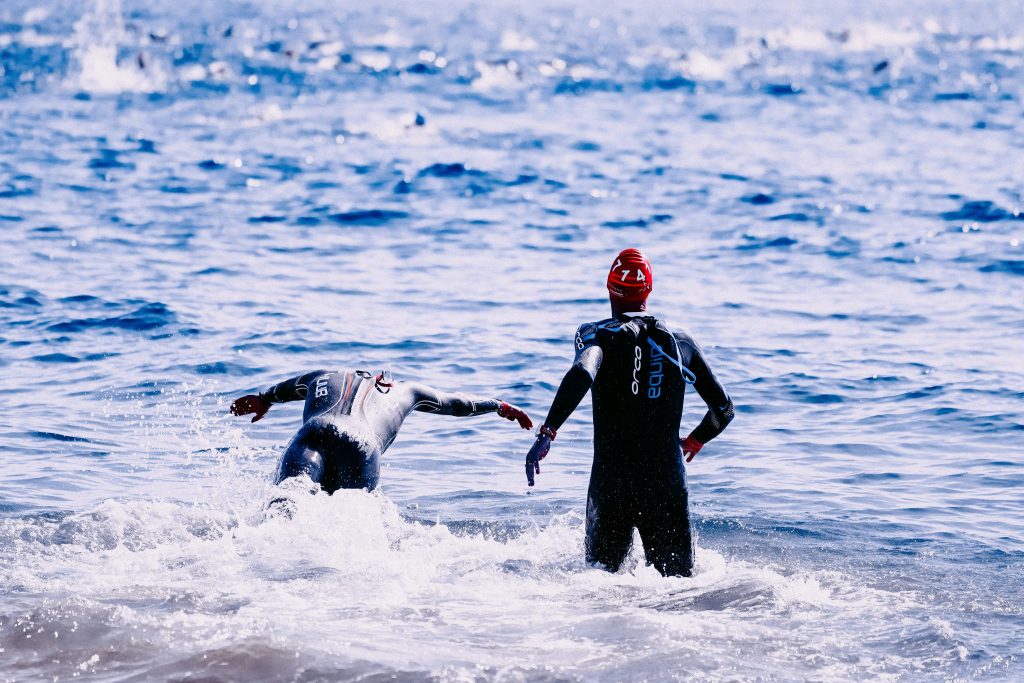
If you’ve ever jumped into the sea outside of summer, you know the feeling: your body goes into shock, your breathing takes off like you’ve just sprinted the 100m, and for a split second you question every life decision that led you to this moment. Don’t worry — it’s not just you. The cold water shock is natural, and it happens to everyone. The difference is that some athletes learn to deal with it and even turn it into an advantage.
Cold water training may sound like a nightmare, but it’s actually one of the secret weapons for triathletes and open water swimmers. Adapting to chilly conditions not only improves safety and endurance but also builds mental toughness. And let’s be honest: if you can survive an ice-cold swim, dealing with the 30K mark in a marathon or a windy cycling session suddenly feels like a walk in the park.
Why is it important to adapt to cold water?
Cold water hits hard from the very first second. It speeds up your breathing, makes muscles tighten, and can lead to early fatigue or even safety risks if you’re unprepared. Learning to adapt is crucial — not just to endure the training, but to actually benefit from it and enjoy the experience.
Benefits of cold water training
Beyond the initial shock, training in cold water comes with big rewards. The most obvious one is mental resilience: learning to push through discomfort strengthens your discipline and confidence. Physically, it improves circulation, boosts your immune system, and can even speed up recovery. Competitively, it prepares you for anything — whether it’s a windy triathlon morning in Portugal or a rough open water swim where the ocean doesn’t go easy on you.
How to include it in your training plan
Adaptation should always be progressive. Triathletes can start with one weekly session in open water to build confidence outside the pool. Swimmers should gradually increase time spent in cold water, while beginners can take advantage of warmer months to start the habit and then maintain consistency as the year goes on. The trick is to avoid long breaks from open water so your body doesn’t “forget” the adaptation you’ve worked for. Balancing pool sessions with open water swims is the best way to combine technique, endurance, and confidence.
👉 Bottom line: next time the sea feels like an ice bath, remember that every stroke is not just training your body but also strengthening your mind. And if the thought of cold water still makes you shiver, think of it as an investment in that extra push you’ll need on race day.