Your First Trail Running Race in 2027: How to Choose the Right Distance, Understand Elevation Gain and Prepare
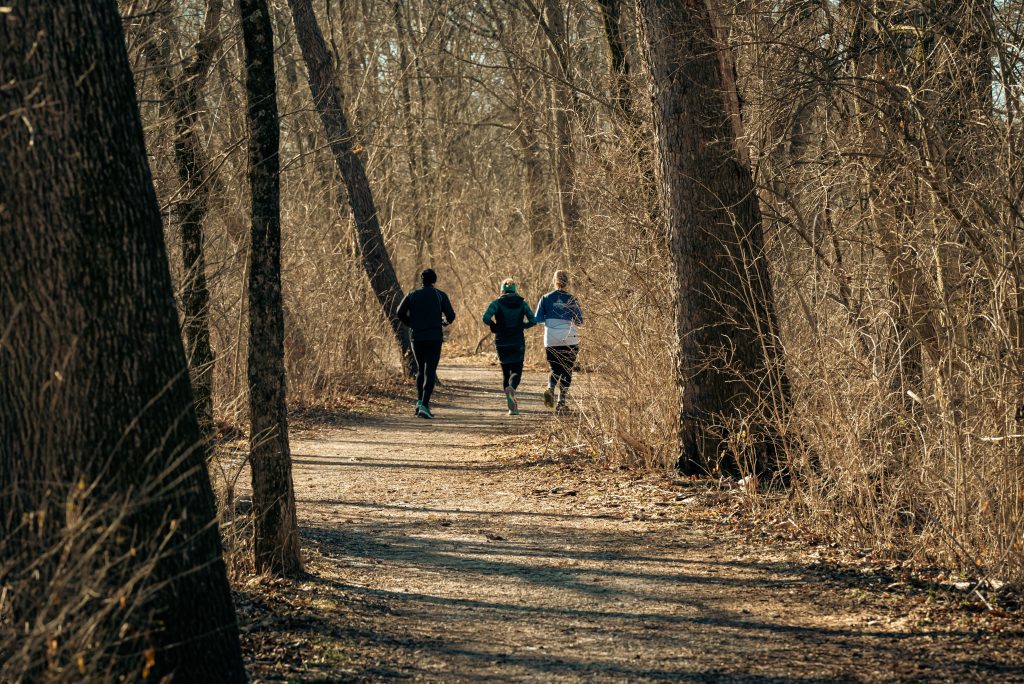
Already running 5Ks, 10Ks or even half marathons on the road, but thinking about giving trail running a try? Swapping the pavement for the trails can be one of the best ways to explore new places, challenge yourself and rediscover the joy of running.
But there’s one important thing to remember: running 10 km on the road is not the same as running 10 km in the mountains.
The terrain, climbs, descents and weather conditions can turn a seemingly manageable distance into a demanding challenge.
If you’re considering your first trail running race in Portugal in 2027, this guide will help you choose the right event, understand the course, prepare for race day and discover some exciting races to get started.
1. What’s the Best Distance for Your First Trail Race?
The answer depends on your running experience, fitness level and, most importantly, the characteristics of the course.
For runners who can already comfortably complete 5–10 km on the road, a trail race between 5 and 12 km, with moderate elevation gain and relatively non-technical terrain, can be a great starting point.
However, distance should never be your only consideration.
An 8 km trail race with steep climbs and technical descents can be more demanding than a 15 km road race.
Before registering, check:
- Total race distance.
- Cumulative elevation gain.
- Terrain type and technical difficulty.
- Race cut-off times.
- Aid station locations.
RaceFinder tip: For your first trail race, focus on finishing comfortably and enjoying the experience rather than chasing a specific pace.
2. What Is Elevation Gain and Why Does It Matter?
If you’ve already searched for trail races, you’ve probably come across descriptions like “10 km / 400 D+” or “21 km / 1,200 D+”.
D+ refers to cumulative elevation gain: the total number of metres climbed throughout the course.
For example, a 10 km race with 400 m D+ means you’ll climb approximately 400 metres in total, even if the start and finish are at the same altitude.
One way to compare the demands of different trail courses is through effort kilometres, a metric used by the UTMB World Series.
The formula is:
Effort kilometres = Distance (km) + Elevation gain (m) / 100
For example, a 10 km trail race with 500 metres of elevation gain would equal 15 effort kilometres.
This doesn’t mean that running that trail is exactly equivalent to running 15 km on the road. It’s simply a way to estimate the relative demands of different courses, without fully accounting for technical terrain, weather or individual fitness levels.
3. How to Read a Trail Race Elevation Profile
Before choosing your first trail race, look for the elevation profile provided by the organiser.
This graph shows how altitude changes throughout the course.
There are three particularly important things to look for.
Concentrated climbs: A course with most of its elevation gain in the opening kilometres requires a different pacing strategy from one with smaller climbs spread throughout the race.
Steep descents: Running downhill might sound easier than climbing, but steep, slippery or rocky terrain requires balance, coordination and muscular control.
Late-race climbs: A course that feels manageable during the first few kilometres can become particularly challenging if its biggest climb comes near the finish.
For beginners, courses featuring gradual climbs and predictable terrain are generally more suitable than highly technical mountain trails.
4. Do You Need Trail Running Shoes?
It depends on the terrain.
For a relatively flat, dry course with compact dirt paths, your regular road running shoes may be sufficient, provided they offer adequate grip.
However, on muddy trails, loose rocks, exposed roots or steep descents, dedicated trail running shoes can provide better traction, stability and protection.
The most important thing isn’t buying expensive equipment. It’s choosing gear appropriate for the conditions.
And remember: never wear brand-new shoes or test unfamiliar equipment for the first time on race day.
5. Mandatory Equipment: What Should You Bring?
Unlike many road races, trail running events may require participants to carry specific safety equipment.
Depending on the event, mandatory gear may include:
- A charged mobile phone.
- A hydration bottle or reservoir.
- Emergency food supplies.
- An emergency thermal blanket.
- A whistle.
- A waterproof jacket.
- A headlamp for night races.
The exact list varies between events, so always check the official race regulations before arriving at the starting line.
6. How to Train for Your First Trail Running Race
You don’t need to completely change your existing running routine, but some adjustments will help prepare your body for the demands of the trails.
Include Hills in Your Training
Try running or walking on routes with elevation changes.
Uphill training helps build the strength and endurance needed for trail running.
Learn to Walk Uphill
Yes, walking is part of trail running!
On steep climbs, alternating between running and power hiking can help manage your effort and conserve energy for later sections.
Even experienced trail runners use this strategy.
Practise Downhill Running
Downhill running requires coordination and muscular control.
Start with gentle, non-technical descents and gradually progress towards more challenging terrain as your confidence improves.
Run on Different Surfaces
Whenever possible, include forest paths, gravel tracks and natural trails in your training.
Getting comfortable on uneven surfaces is an important part of preparation.
Don’t Neglect Recovery
The combination of climbs, descents and unstable terrain can cause different types of muscular fatigue compared with road running.
Increase your training load gradually and allow enough time for recovery.
7. Trail Running Races in Portugal in 2027: Where Should You Start?
Portugal offers an incredible variety of trail running landscapes, from mountain ranges and forests to coastal paths, rural tracks and historic trails.
If you’re looking for your first trail running experience, several events in the 2027 calendar are worth exploring.
Here are five races featuring shorter-distance options, allowing you to choose a challenge that matches your experience and preparation.
Vulcan Trail 2027 — Mafra
Scheduled date: January 3, 2027
Looking to start the year with a different kind of running challenge?
Vulcan Trail, held in the Mafra area near Lisbon, is an event worth considering.
The programme includes a shorter trail distance of approximately 12 km, alongside a walking option.
It’s an opportunity to experience trail running in a region known for its natural landscapes and rural paths.
Before registering, check the course’s elevation gain and technical characteristics, particularly if you’re new to off-road running.
Discover Vulcan Trail 2027 on RaceFinder
Vouga Trail 2027 — Sever do Vouga
Scheduled dates: January 8–10, 2027
Vouga Trail offers the opportunity to run through the natural landscapes surrounding Sever do Vouga, in the Aveiro district.
The announced programme includes a 14 km Mini Trail and a 5 km Uphill event.
Although these distances might initially seem accessible, the climbs can make them physically demanding.
For runners with some road running experience who want to explore mountain terrain, this could be an interesting challenge.
Explore Vouga Trail on RaceFinder
XII Trail Montes Saloios — Sintra
Scheduled date: February 21, 2027
Sintra is one of the most appealing areas near Lisbon for discovering trail running, thanks to its natural scenery and varied terrain.
Trail Montes Saloios offers several distances, including a 10 km Trail Experience, a 15 km course and a 10 km walk.
For first-time trail runners, the 10 km Trail Experience is particularly worth considering, although checking the elevation gain and technical difficulty is still essential.
Its proximity to Lisbon also makes it a convenient option for runners who prefer to avoid extensive travel arrangements.
Discover Trail Montes Saloios on RaceFinder
Louzantrail 2027 — Lousã
Scheduled dates: March 5–7, 2027
The Serra da Lousã is a well-known destination for trail running in Portugal.
Louzantrail offers several challenges, including an XS distance of approximately 14 km with around 700 metres of elevation gain.
Despite being one of the event’s shorter distances, the elevation makes it a demanding option for runners unfamiliar with mountainous terrain.
It may therefore be better suited to runners who already have some experience training on hills and want to take the next step towards mountain trail running.
Discover Louzantrail 2027 on RaceFinder
Mação Trail 2027 — Mação
Scheduled date: March 7, 2027
Mação Trail, in the Santarém district, is another option for runners looking to discover Portugal’s trails.
The planned programme includes:
- 11 km Mini Trail.
- 17 km Short Trail.
- 25 km Long Trail.
For first-time participants, the 11 km Mini Trail could be the most suitable option, depending on the elevation gain and terrain characteristics.
The availability of several distances also creates opportunities to return in future editions with more ambitious goals.
Which Race Should You Choose?
If you’re looking for a first experience around the 10 km mark, Trail Montes Saloios, Mação Trail and Vulcan Trail are all worth exploring.
If you already have solid road running experience and want to take on a more challenging mountain course, Vouga Trail and Louzantrail may also be interesting options.
Remember that a short race isn’t necessarily an easy race. Always review the official regulations, course profile and elevation gain before making your decision.
Event dates, distances and race formats may be updated by the organisers.
Not sure which race to choose? Browse the RaceFinder race calendar to discover trail running events across Portugal and find your next challenge.
8. Common Mistakes to Avoid in Your First Trail Race
There are a few mistakes worth avoiding when preparing for your first trail running experience.
Starting too fast: Your usual road running pace is rarely a reliable reference for a trail course with significant elevation gain.
Ignoring race regulations: Check mandatory equipment, cut-off times and aid station locations.
Underestimating hydration: Even over shorter distances, you may spend considerably more time moving than expected.
Trying new equipment on race day: Test your shoes, clothing and nutrition during training.
Comparing your trail pace with your road pace: In trail running, pace per kilometre can vary dramatically. Perceived effort and course characteristics are often more useful indicators.
9. Frequently Asked Questions About Trail Running
Can I Start Trail Running Without Previous Running Experience?
Yes, provided you choose an appropriate route and build the necessary fitness.
If you’re not currently running regularly, starting with trail walks and short, easy routes may be a more sensible approach.
Is a 10 km Trail Race Harder Than a 10 km Road Race?
It can be, particularly when the trail features significant elevation gain or technical terrain.
However, some trail courses are relatively accessible, while certain road races can also be demanding.
The difficulty depends on the characteristics of each event.
Is Walking Allowed During a Trail Running Race?
Usually, yes.
Walking uphill is a common strategy in trail running, even among experienced athletes.
However, you should always check the event regulations and respect any cut-off times.
Do I Need a GPS Watch for Trail Running?
Generally, no.
On an organised and properly marked course, a GPS watch can be useful for monitoring distance and navigation, but it is not usually mandatory.
Always check the event’s specific requirements.
How Long Should I Train for My First Trail Race?
It depends on your current fitness, the race distance and the difficulty of the course.
If you’re already running regularly, you can begin gradually incorporating hill sessions and uneven terrain into your training.
If you’re new to running, focus first on building a consistent endurance base before increasing distance and technical difficulty.
Conclusion: The Best First Trail Race Is the One That Makes You Want to Come Back
Your first trail running race doesn’t need to be the longest, toughest or most impressive event on the calendar.
The goal should be to discover a different way of running, build confidence on new terrain and enjoy the experience.
Portugal offers plenty of opportunities to get started, from shorter trail races around Sintra and Mafra to mountain challenges in Sever do Vouga and the Serra da Lousã.
With the right distance, appropriate preparation and a good understanding of the course, trail running can become an exciting alternative to road racing.
Ready to swap the pavement for the trails?
Explore upcoming trail running races in Portugal on RaceFinder and start planning your first trail running adventure in 2027.