OCR in Portugal: The Complete Guide to Obstacle Course Racing in 2026

Obstacle Course Racing — better known as OCR — has exploded in popularity in Portugal. And it’s easy to understand why. OCR events combine trail running with physical challenges such as climbing walls, crawling under wires, carrying heavy loads, or tackling technical grip obstacles. The result: a raw, challenging, incredibly addictive experience.
If you’re searching for OCR races in Portugal 2026, this guide covers everything you need — what to expect, how to train, and how to choose your next race.
What Is an OCR Race?
An OCR race is a trail-based course filled with physical and technical obstacles. Unlike traditional road running, OCR demands full-body athleticism: strength, endurance, mobility, agility, and mental resilience.
Common obstacles include:
- Walls and vertical barriers
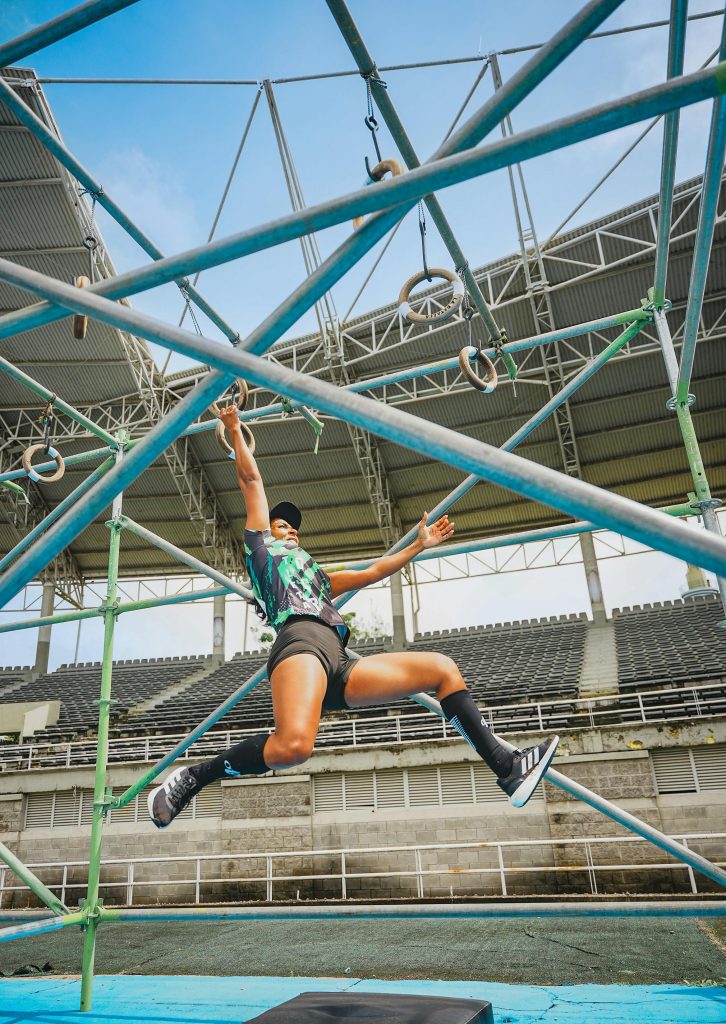
- Monkey bars and rings
- Rope climbs
- Heavy carries (sandbags, buckets, stones)
- Mud pits and river crossings
- Military-style crawls
- Ramps and jump obstacles
Beginners are welcome — most races in Portugal offer Open/Non-Competitive categories, while experienced athletes can challenge themselves in competitive waves.
Why Is OCR Growing in Portugal?
Three reasons stand out:
1. The feeling of accomplishment
Every obstacle you overcome hits like a personal victory. Few sports combine physical and mental challenge so powerfully.
2. The community spirit
Even in competitive divisions, OCR is known for teamwork and camaraderie. Helping others over obstacles is part of the culture.
3. Zero monotony
OCR blends trail running, climbing, crawling, balancing, carrying, and water elements. No race feels the same — and boredom is impossible.
How to Train for OCR (Even If You’re Not a Beginner Anymore)
If you already run or do functional training, you have a head start — but OCR requires specific preparation.
1. Running still matters — especially on trails
Most OCR races are 70–80% running.
Focus on:
- Trail runs
- Hill repeats
- Fartlek / variable pace
2. Functional strength is essential
To overcome obstacles, build strength-to-weight efficiency.
Key movements:
- Pull-ups and rows
- Carries (farmer’s carry, sandbags)
- Rope climbs
- Squats and lunges for stability
3. Grip strength makes or breaks your race
Monkey bars, rigs and ropes often fail unprepared athletes.
Train with:
- Dead hangs
- Towel pull-ups
- Rings
- Grip blocks or bars
4. Practice real obstacles when possible
Many OCR gyms and CrossFit boxes in Portugal now have dedicated obstacle rigs — perfect for technique work.
5. Build mental toughness
Cold water, mud, slippery climbs and failed attempts…
OCR is as much mental as physical.
Simulate discomfort:
- Wet or muddy training
- Heavy carries under fatigue
- Longer mixed sessions
OCR Races in Portugal 2026
Want this section filled with specific OCR races currently listed on RaceFinder?
Just send me the links — I’ll insert accurate dates, distances and highlights.
(Or I can automatically gather them for you.)
Most seasons include:
- National OCR circuits
- Independent obstacle races
- Hybrid trail + obstacle events
- Beginner-friendly formats and competitive elite waves
Expect distances between 5 km and 15 km with a mix of artificial and natural obstacles.
How to Choose the Right OCR Race for You
Ask yourself:
1. Are you running for fun or to compete?
- Open Category → relaxed, supportive, perfect for first-timers
- Competitive/Elite → timed, with penalties for failed obstacles
2. What style of obstacles do you prefer?
Different races specialise in:
- Heavy carries
- Technical rigs and grip tests
- Mud and water challenges
- Long endurance-style courses
3. What distance suits your fitness level?
- 5–6 km → great for beginners or stepping back into OCR
- 8–12 km → ideal for regular OCR athletes
- 12–15+ km → for stronger, well-rounded competitors
Recommended OCR Gear
Pack:
- Trail-running shoes with strong traction
- Tight-fit shorts or leggings
- Quick-dry technical shirt
- High socks to protect shins
- Optional gloves (many athletes skip them)
Above all: come ready to get dirty and have fun.
Why Use RaceFinder to Discover OCR Races?
Because OCR events in Portugal are spread across different organisers — RaceFinder puts them all in one place.
With RaceFinder you get:
- A complete OCR Portugal calendar
- Filters by date, distance, region
- Daily updates
- Direct access to regulations and event pages
- Booking available whenever organisers enable it
Final Word: 2026 Is the Perfect Year to Go OCR
Whether you’re stepping up from basic fitness or already love mud, walls and rigs, OCR Portugal 2026 has challenges for every athlete.
Pick your next race, start training smart — and get ready for one of the most rewarding finish lines you’ll ever cross.
👉 Explore OCR races on RaceFinder