How to Choose Your Next Race (After a Marathon or Half)

Paula Veloso
by Paula Veloso
9 months ago

You’ve finished your race. Maybe it was the Porto Marathon, the Lisbon Half Marathon, or another goal you’d been training for. The body finally slows down — and the mind starts asking:

“What’s next?”

This phase is normal. After weeks or months training with a clear purpose, it’s easy to feel a bit “aimless” when the finish line is behind you.

Here’s how to choose your next race in a simple and practical way:

1. Give your body time (don’t sign up immediately)

After a major effort, there are micro-injuries, muscle fatigue, and mental stress.

Even if you feel fine, your body is still recovering.

Simple rule:

  • After a Half Marathon → 5–10 days of easy training
  • After a Marathon → 10–21 days of easy training

Short runs, light sessions, rest. No rush.

2. Decide what you want right now

Ask yourself:

Do I want to:

  • Improve my time?
  • Maintain fitness?
  • Run somewhere scenic?
  • Just enjoy running again?
  • Be around other runners with no pressure?

Your answer will determine what type of race makes sense:

  • Fast road race
  • Easy trail
  • Short local event
  • Community charity run
  • End-of-year half marathon

3. Check the calendar (Portugal has plenty of options right now)

In November and December, you’ll find:

  • Accessible trail events
  • Short and friendly local road races
  • Classic half marathons
  • Community-oriented running events
  • Small races with supportive atmospheres

You don’t need to jump straight into another “big” race.

4. Choose based on your current state

If you feel tired:
Pick a short-distance or easy trail.

If you finished strong:
A half marathon in late November/December could be ideal.

If you need mental reset:
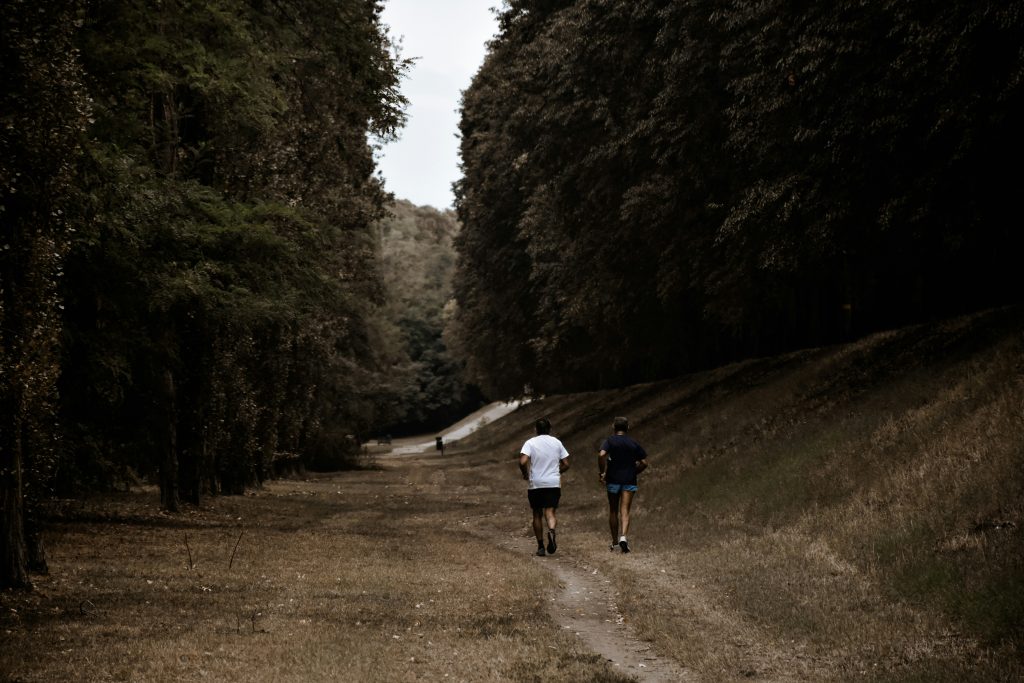
Trail running is perfect — slower, quieter, less pressure.

5. When in doubt: keep it simple

Choose:

  • A distance you already know
  • A pace that feels comfortable
  • A goal that fits your life right now, not just your ego

Consistency matters more than “epic.”

Final Thought

It’s not about running more.
It’s about choosing the next step that actually makes sense for you.

If you’re looking for the next start line:

➡️ Find races across Portugal at racefinder.pt
More from the blog

Musings on swimming, running and riding for everyday athletes.

What Should You Eat Before a Race? A Guide for 5K, 10K, Half Marathon and Marathon
4 Aug 2026

What Should You Eat Before a Race? A Guide for 5K, 10K, Half Marathon and Marathon

Your breakfast or pre-race meal may seem like just another detail, but the wrong choice can lead to low energy, stomach discomfort or an urgent trip to the toilet shortly before the start. One question is especially common among runners: what should you eat before a race? The answer depends on the distance, the start […]

Read More
What Type of Runner Are You? 8 Profiles and 8 Races to Find Your Next Challenge
3 Aug 2026

What Type of Runner Are You? 8 Profiles and 8 Races to Find Your Next Challenge

We do not all choose a race for the same reasons. Some people immediately check the course profile and elevation. Others decide based on the medal, the atmosphere or the chance to turn the race into a different kind of weekend. And then there are those who see an unusual distance and instantly think, “I […]

Read More
How Long Does It Take to Train for a Half Marathon? 8, 10 and 12-Week Options
28 Jul 2026

How Long Does It Take to Train for a Half Marathon? 8, 10 and 12-Week Options

The half marathon is one of the most popular goals among runners. At 21.1 km, it is demanding enough to require proper preparation while remaining accessible to runners who build a consistent routine. One question comes up more than any other: how long does it take to train for a half marathon? For most runners […]

Read More
From Road Running to Trail Running: 7 Mistakes to Avoid in Your First Race
27 Jul 2026

From Road Running to Trail Running: 7 Mistakes to Avoid in Your First Race

Moving from the road to the trails can completely change the way you experience running. Instead of trying to maintain a steady pace, you need to adapt your effort to climbs, descents, rocks, roots, mud and constantly changing terrain. Trail running takes place mainly on natural surfaces, such as dirt paths, forest trails and single […]

Read More