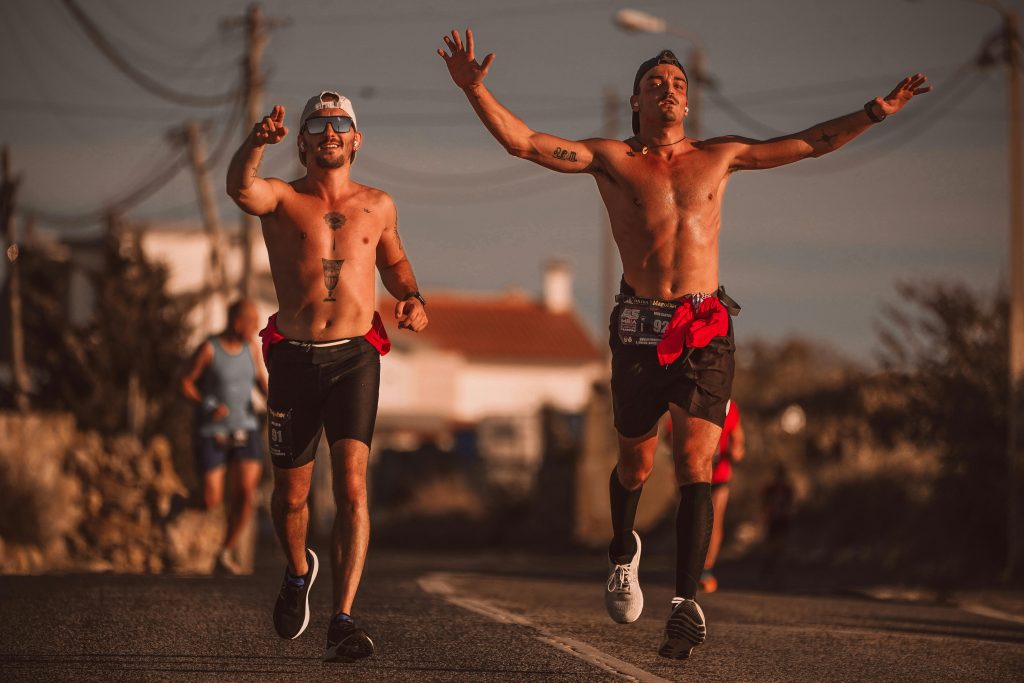
Why Strength Training Is a Secret Weapon for Runners and Triathletes

When you think about improving as a runner or triathlete, the first instinct is often to add more mileage: longer runs, tougher bike rides, and endless swim laps. But there’s another way to unlock speed, prevent injuries, and feel stronger — and it doesn’t involve more hours on the road.
That way is strength training.
Far from being just a “gym thing,” strength work is now recognized by elite coaches and sports scientists as a core part of endurance training. Whether you’re chasing a marathon PB, preparing for a triathlon, or just aiming to stay consistent, strength training may be the single most valuable investment you can make in your body.
Stronger Muscles, Better Performance
Running and triathlon are repetitive sports. Every step, every pedal stroke, every swim pull puts your body under stress. If your muscles aren’t strong enough to handle that load, fatigue builds up faster, technique breaks down, and your performance suffers.
Strength training improves:
- Running economy: You use less energy at the same pace.
- Power and speed: Hills and sprints become easier.
- Endurance: Muscles last longer under repeated stress.
Core, glutes, hamstrings, and calves are especially important. These muscles stabilize your stride, help absorb impact, and generate forward propulsion. In cycling and swimming, stronger shoulders, back, and hip flexors make each movement more efficient.
The Injury Prevention Advantage
Ask any runner about injuries and you’ll hear the same names: shin splints, runner’s knee, IT band syndrome, plantar fasciitis. Most of these have a common root cause — weak stabilizing muscles.
Strength training acts like armor. By reinforcing small but crucial muscle groups, you protect joints, tendons, and ligaments. Studies show athletes who combine endurance with resistance training have up to 50% fewer overuse injuries compared to those who only run or cycle.
Two sessions per week — 20–40 minutes each — are enough to see results. Think squats, lunges, deadlifts, planks, push-ups, and single-leg exercises.
Do You Need a Gym? Not Necessarily
One myth is that strength training requires heavy weights and hours in the gym. The truth: you can do an effective program at home with bodyweight or resistance bands.
Sample runner/triathlete circuit:
- 3×15 squats
- 3×12 lunges (each leg)
- 3×15 glute bridges
- 3×30s planks
- 3×12 push-ups
With progression, you can add free weights or kettlebells for more resistance. The goal isn’t bodybuilding — it’s building durable, efficient muscles.
How to Fit It Into Your Training Week
Balancing endurance and strength is the challenge. A simple rule: hard days hard, easy days easy. Place your strength session on the same day as an interval run or bike, then recover fully the next day.
For triathletes:
- Off-season → 2–3 strength sessions per week.
- Race season → 1 session per week for maintenance.
This way, you get the benefits without sacrificing recovery for your key endurance workouts.
Real Stories, Real Results
- Marathoners who add strength work often cut 2–5 minutes off their times, simply by improving running economy.
- Triathletes report smoother transitions and less fatigue in the final run leg.
- Everyday athletes find they suffer fewer injuries, allowing them to train consistently year-round.
If you’re serious about your next running race, triathlon, or trail challenge, don’t just log the miles. Add strength training to your plan. It’s the quiet, hidden work that builds resilience, speed, and confidence — the true secret weapon of endurance athletes.