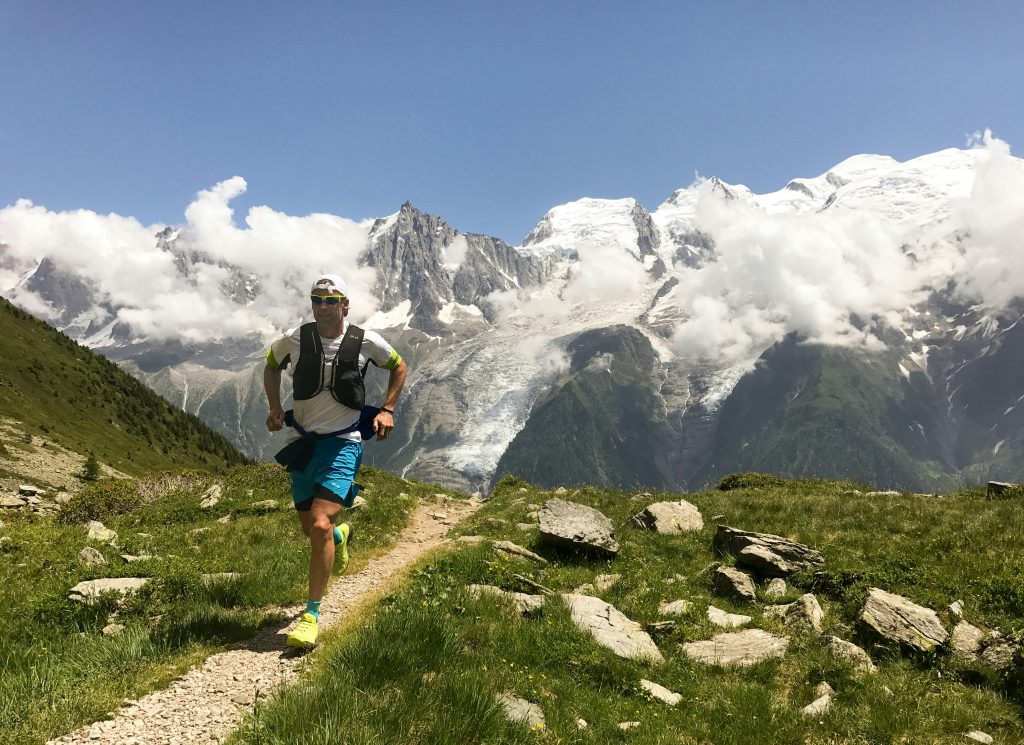
The Impact of Altitude on Endurance Training: How the Mountains Can Transform Your Performance
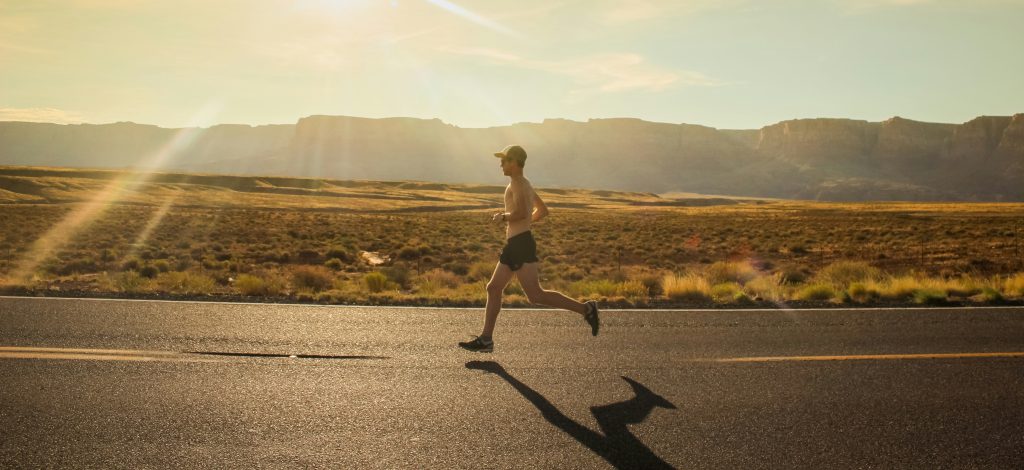
Training in the mountains has long been a secret weapon for endurance athletes. From Kenyan marathoners to Tour de France cyclists and world-class triathletes, altitude training has been used for decades to push human performance beyond limits.
At higher elevations, the body is forced to work harder with less oxygen, triggering powerful adaptations: improved red blood cell production, stronger cardiovascular efficiency, and increased stamina. For runners, cyclists, swimmers, and triathletes, this means one thing — better performance once you return to sea level.
What Happens to the Body at Altitude?
At elevations above 1,500 meters, air pressure drops and the oxygen you breathe decreases. To compensate for this mild hypoxia, the body triggers key adaptations:
- Increased red blood cell production to carry more oxygen;
- Improved cardiovascular efficiency, sustaining aerobic effort for longer;
- Greater activation of muscle fibers due to the extra demand on the body.
When you return to sea level, these adaptations translate into higher endurance, improved oxygen use, and a lighter, faster feel in training and racing.
Benefits of Altitude Training for Endurance Athletes
Altitude training can boost performance across all endurance disciplines:
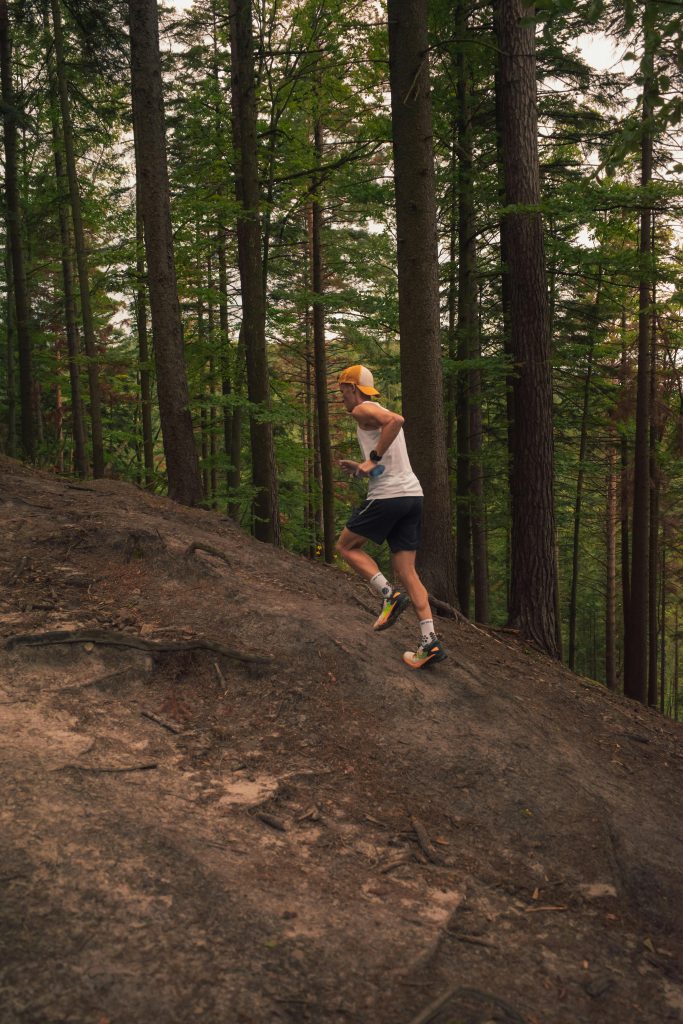
- Running and trail running: improved aerobic capacity, race economy, and mental toughness for marathons and ultramarathons.
- Cycling in the mountains: increased aerobic power, better stamina during long climbs, and faster recovery between hard efforts.
- Swimming and triathlon: stronger lung capacity and cardiovascular efficiency, helping manage effort across multiple disciplines.
Beyond the physical, training in the mountains builds mental resilience — pushing through tough climbs, unpredictable weather, and demanding terrain prepares you for the hardest parts of competition.
Risks and Precautions
Altitude isn’t without challenges. Common symptoms include headaches, fatigue, dizziness, and poor sleep in the first days. To adapt safely:
- Allow 7–10 days of acclimatization before doing intense sessions.
- Focus on volume first, keeping intensity low early on.
- Hydrate constantly — high-altitude air is drier and increases fluid loss.
- Support your body with proper sports nutrition, especially carbohydrates and iron to help red blood cell production.
How to Include Altitude Training in Your Endurance Plan
You don’t need the Alps or the Andes to benefit. In Portugal, training spots like the Serra da Estrela, Gerês, or Serra de Monchique offer great opportunities for mountain running, cycling, and trail training.
Practical strategies:
- Runners: plan a 7–14 day training camp in altitude before key marathons or trail races.
- Cyclists: mix mountain climbs with sea-level intensity rides.
- Triathletes: combine cycling and running at altitude while keeping swim sessions at lower elevations.
Many pros follow the “live high, train low” model: spending time at altitude but doing intense workouts closer to sea level. This maximizes adaptations without compromising workout quality.
Conclusion: Altitude, Your Invisible Ally
Altitude training isn’t just for Olympians. With the right plan and respect for your limits, runners, cyclists, swimmers, and triathletes can all reap the benefits. The mountains can become your secret weapon for endurance performance — building strength, resilience, and confidence for race day.
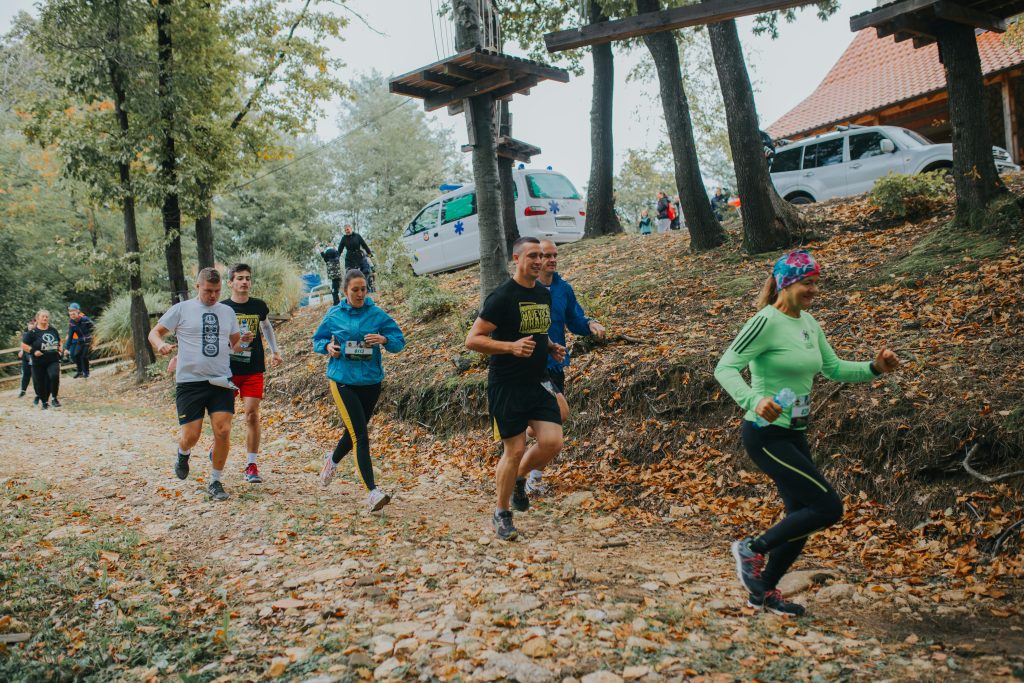
👉 Discover mountain races, trail running events, and cycling challenges at RaceFinder.pt and bring altitude into your training calendar.