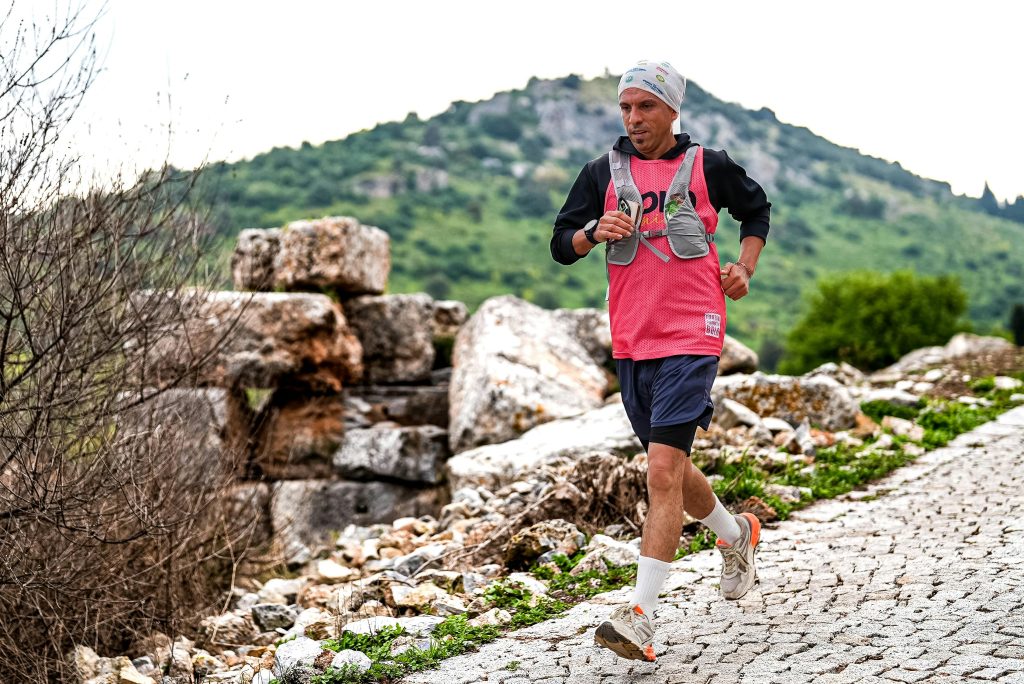
How to Transition from Road Running to Trail Running: A Beginner-Friendly Guide

If you’ve been running on the road for a while, it’s natural to crave something different — new challenges, new scenery, new sensations. Enter trail running in Portugal: technical terrain, rugged landscapes, brutal climbs, and the kind of adventure you simply can’t find on asphalt.
But transitioning from road to trail doesn’t have to be intimidating. With the right approach, any runner can safely and confidently take their first steps on the trails.
Here are essential tips to help you make the switch, without stress and with plenty of motivation.
1. Slow down — trail pace is not road pace
One of the biggest surprises for new trail runners is how suddenly the pace drops.
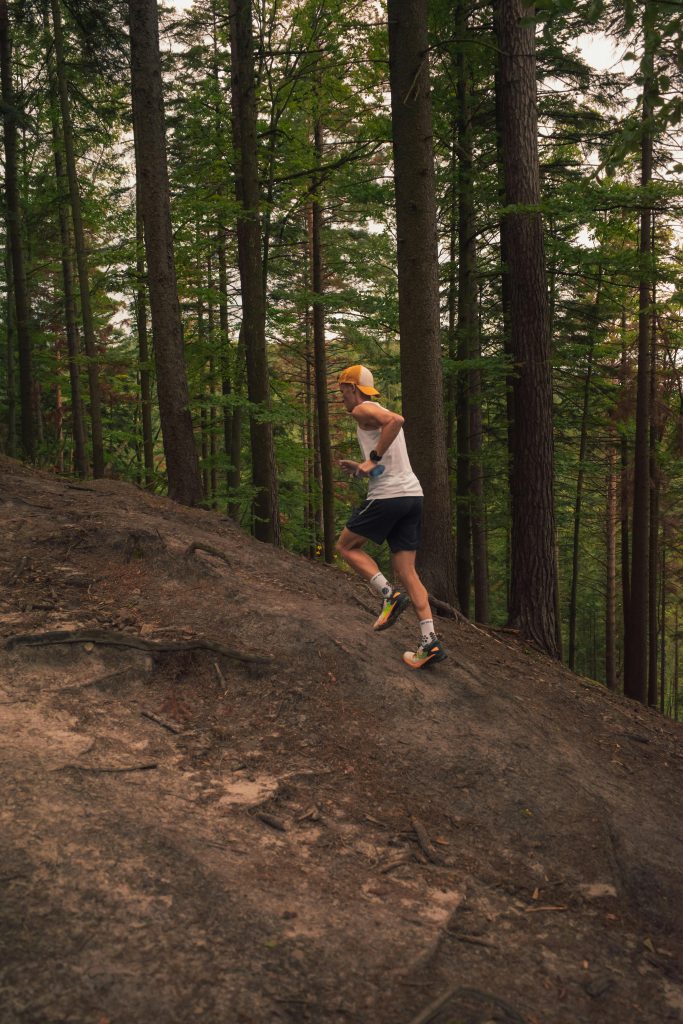
Steep climbs, uneven ground, rocks, roots, mud — everything forces you to adjust. In trail running, pace becomes almost irrelevant. What matters is effort, technique and smart energy management.
👉 Tip: Run by feel, not by pace. If you’re used to heart rate monitoring, it’s a great tool here.
2. Build strength — especially core and ankles
Trail running demands stability and strength to handle varied terrain. Strong ankles prevent sprains; a solid core keeps you balanced during long climbs and descents.
👉 Include weekly:
• Balance & proprioception work
• Lunges and squats
• Planks/core strength
• Short hill repeats
3. Invest in proper trail running shoes
Trail surfaces require grip, stability, and protection. You don’t need the most expensive model, but you do need traction and security.
👉 For beginners, look for shoes with:
• Medium-level grip
• Toe protection
• Comfortable cushioning
4. Learn to hike — yes, hiking is part of trail running
Hiking isn’t weakness. It’s strategy. Most runners hike steep climbs to save energy and manage heart rate.
👉 Rule of thumb: If your running pace is almost the same as your walking pace on a climb, hike it.
5. Start with easy trails and beginner-friendly events
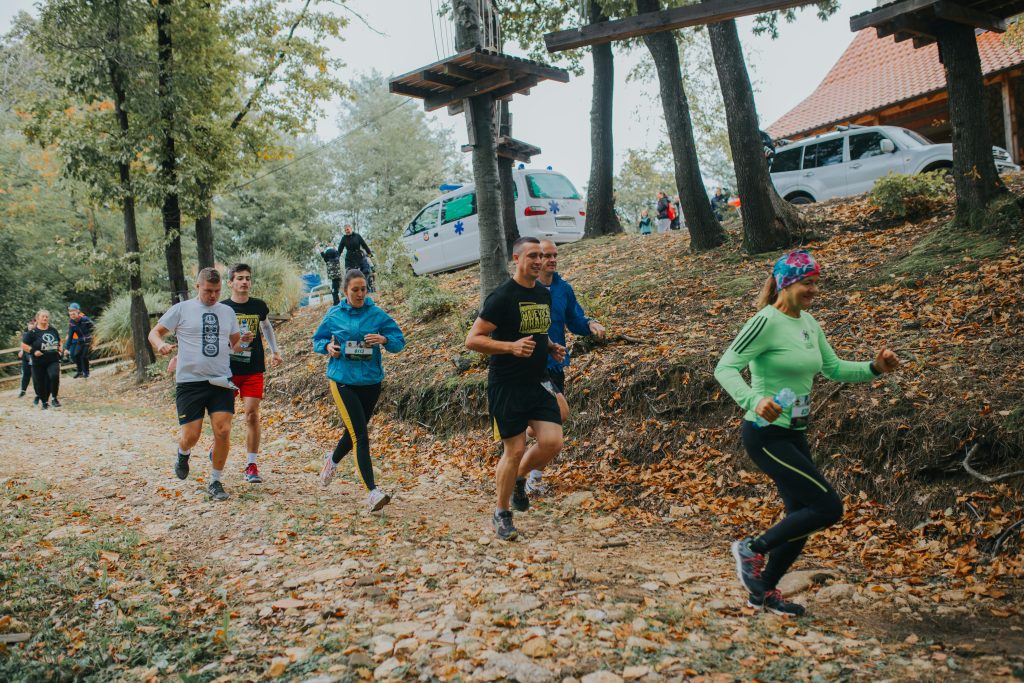
Before tackling technical mountains, explore moderate trails or parks with controlled elevation. Once you feel confident, try trail events with 10–15 km distances — many offer beginner-friendly options.
👉 Useful terms:
• D+ = total elevation gain
• Single track = narrow trail
• Technical trail = rocky/rooty terrain requiring careful footwork
6. Bring hydration and fuel — trail running requires autonomy
On trails, you may go long stretches without aid stations. A simple running belt or lightweight vest with soft flasks already changes your experience.
👉 Always carry:
• Water
• A gel or energy bar
• Phone with battery
• Lightweight wind jacket (depending on location)
7. Look 2–3 meters ahead — reading the terrain is key
Safety in trail running comes from anticipation. Keep your eyes ahead to spot obstacles, especially on descents.
👉 Start slow on technical terrain until your footwork becomes more natural.
8. Embrace the challenge — it’s tougher, but much more rewarding
Trail running isn’t about hitting exact splits. It’s about nature, adventure, physical mastery, and discovering your own limits. You’ll move slower, you’ll work harder — and you’ll gain experiences the road could never give you.
Ready to try your first trail?
Portugal offers endless landscapes for new trail runners — from Monsanto to the Arrábida, from the Gerês mountains to the Lousã trails. Many upcoming events include short distances perfect for newcomers.
👉 Explore upcoming trail running events in Portugal.